Shape Your Property, Get in Touch Now!
- Home
- /
- Morganton, NC
When your property requires site work, grading, or clearing in Morganton, North Carolina, you need a contractor who understands the local terrain and soil conditions. From the rolling foothills surrounding the area to the red clay common throughout Burke County, proper excavation requires both the right equipment and hands-on knowledge of what to expect beneath the surface.
Morganton sits in a unique geographical position where the Piedmont meets the Blue Ridge Mountains, creating diverse topographical challenges that require experienced handling. The area’s elevation changes, rocky substrata, and seasonal water tables all play critical roles in how excavation and grading projects must be approached. What works on flat coastal plains simply does not translate to the terrain found throughout Burke County.
The geological composition of the region includes dense clay layers that can shift and settle unpredictably when disturbed, granite outcroppings that require specialized equipment to remove, and soil profiles that vary dramatically even within a single property. Understanding these subsurface conditions before breaking ground prevents costly surprises and project delays. Experienced excavation professionals recognize the warning signs of problematic soil conditions and adjust their approach accordingly.
Residents and property owners throughout Morganton rely on professional excavation and land clearing when preparing for new construction, addressing drainage issues, or reclaiming overgrown acreage. Whether you are breaking ground on a commercial development or clearing brush from a residential lot, experienced operators ensure the work is done safely, efficiently, and to grade.
The history of development in Morganton has created a patchwork of established neighborhoods alongside undeveloped tracts that are now seeing renewed interest. As the area continues to grow, property owners are discovering that proper site preparation is not just a construction requirement but an investment in the long-term stability and value of their land. Cutting corners during the excavation phase often leads to costly corrections later in the building process.
Properties that were once considered too challenging to develop are now being reconsidered as construction techniques and equipment capabilities have advanced. Steep hillsides that would have been passed over a generation ago can now be carefully terraced and stabilized. Wooded lots that seemed impenetrable are transformed into desirable building sites through systematic clearing and grading. The key lies in approaching each property with a comprehensive plan that accounts for both immediate construction needs and long-term site performance.
Services available throughout Morganton and the surrounding Burke County area include lot clearing, grading and excavation, trenching for utilities, driveway installation, stump removal, erosion control, and demolition. Each project begins with an assessment of site conditions, access points, and any drainage considerations that may affect the scope of work.
Beyond the basic services, projects often require specialized approaches based on the specific characteristics of the property. Sloped lots may need retaining wall footings excavated to precise specifications. Properties with mature tree stands require careful planning to preserve desirable vegetation while removing what interferes with construction. Sites near water features or wetlands demand extra attention to environmental regulations and erosion prevention measures.
The process of evaluating a property before excavation begins involves more than simply walking the perimeter. Professionals examine soil composition through test pits or borings, identify potential drainage pathways, locate existing utilities that may cross the property, and assess access routes for equipment and material delivery. This thorough evaluation informs every decision made during the excavation phase and helps avoid conflicts that could halt progress or require expensive redesigns.
Morganton’s mix of residential neighborhoods, agricultural land, and growing commercial zones means site preparation needs vary widely. A residential lot clearing project may involve removing mature hardwoods and leveling a building pad, while a commercial excavation might require substation development, underground utility installation, or road construction. Both demand attention to detail and a commitment to leaving the site ready for the next phase of construction.
The commercial sector in Morganton has seen steady expansion, particularly along major corridors and in planned industrial parks. These developments require excavation contractors who can coordinate with multiple trades, work within strict timelines, and maintain consistent communication with project managers and municipal inspectors. The scope of commercial work often involves moving significant volumes of material, creating proper drainage infrastructure, and establishing grades that accommodate both buildings and parking areas.
Large commercial sites frequently involve phased development where initial excavation must account for future expansion. Grading plans need to consider how additional buildings or parking areas will tie into the existing topography. Stormwater management systems must be sized appropriately not just for current needs but for ultimate buildout conditions. This forward-thinking approach prevents the need to rework completed areas when subsequent phases begin.
Agricultural properties transitioning to other uses present their own set of considerations. Former pastureland or crop fields may have compacted soil layers, old irrigation systems, or fencing materials that must be addressed before grading can proceed. Understanding how to handle these legacy features while preparing the site for its new purpose requires both experience and problem-solving skills.
The compaction caused by decades of agricultural equipment traffic creates hard pan layers that can impede drainage and prevent proper foundation bearing. Breaking up these compacted zones and establishing proper soil structure becomes an essential step in the conversion process. Old farm ponds may need to be filled and properly compacted, or alternatively, integrated into stormwater management plans if their location and condition allow.
For properties dealing with seasonal runoff or standing water, proper drainage and erosion control are critical. Poorly graded sites can lead to foundation issues, driveway washouts, and ongoing maintenance headaches. Correcting these problems early in the development process saves time and cost down the line.
The climate in western North Carolina brings significant rainfall throughout the year, with some seasons producing intense storms that test even well-designed drainage systems. Properties without adequate water management infrastructure can experience soil erosion, sediment runoff onto neighboring lots, and pooling that undermines foundations or access roads. Addressing these concerns during initial site work prevents the need for emergency repairs when the first major storm arrives.
Water management extends beyond simply directing runoff away from structures. The velocity of water flowing across disturbed soil can cause significant erosion in surprisingly short periods. Calculating flow rates, designing appropriate conveyance systems, and protecting vulnerable areas with vegetation or structural controls all factor into comprehensive drainage solutions. Properties located on hillsides face particular challenges as concentrated flow from upslope areas must be intercepted and managed before it gains erosive force.
Erosion control measures extend beyond simple grading. Depending on the site’s slope, soil composition, and vegetation cover, projects may require silt fencing, erosion blankets, retention ponds, or strategically placed swales to direct water away from structures and prevent topsoil loss. These features must be integrated into the overall site plan from the beginning rather than added as afterthoughts.
Sediment control becomes especially important on sites near streams, wetlands, or municipal stormwater systems. Regulations governing sediment discharge have become increasingly stringent, and violations can result in work stoppages and substantial penalties. Establishing proper perimeter controls before any earth-moving begins demonstrates both regulatory compliance and respect for neighboring properties and natural resources.
Stump removal, often overlooked in initial project planning, plays a crucial role in proper site preparation. Leaving stumps in place can interfere with grading, create voids as the wood decomposes, and provide habitat for pests. Complete removal ensures the building pad or landscaped area starts with a clean, stable foundation.
The decomposition process for buried stumps can continue for years, creating settlement issues long after construction is complete. Driveways crack and sag when underlying stumps finally rot away. Basement walls develop cracks when backfill settles into voids left by decomposing roots. Landscape features tilt and require releveling as the ground beneath them compresses. Thorough stump removal eliminates these future problems at a fraction of what repairs would cost.
Trenching for utilities requires precision and awareness of existing infrastructure. Before any digging begins, responsible contractors coordinate with utility companies to mark underground lines and ensure no conflicts arise. Whether installing water lines, electrical conduits, or septic systems, the trenches must meet depth requirements, maintain proper slope for drainage, and be backfilled correctly to prevent settling.
The routing of utility trenches affects both construction efficiency and long-term system performance. Water lines must maintain adequate depth to prevent freezing while avoiding unnecessary obstacles. Sewer lines require consistent slope to ensure gravity flow without creating velocity problems that lead to pipe wear. Electrical and communication lines need separation from other utilities and protection from future excavation activities. Careful planning during the trenching phase prevents conflicts and ensures all systems function as intended.
Driveway installation in Morganton must account for both aesthetic preferences and practical considerations like drainage, load-bearing capacity, and longevity. The base preparation determines how well the driveway performs over years of use and weather exposure. Proper excavation, compaction of subgrade, installation of aggregate base layers, and attention to crown and slope all contribute to a driveway that stands up to the demands placed on it.
The width and turning radii of driveways affect functionality for residents and visitors alike. Narrow driveways on steep grades create challenges for vehicles in winter weather. Inadequate turnaround space forces delivery trucks to back out onto public roads. Transitions from the driveway to the street must account for drainage flow and sight distance requirements. These practical considerations combine with aesthetic goals to create driveways that enhance property value and daily convenience.
Demolition services, whether for entire structures or specific site features, require careful planning to protect surrounding property and ensure safe material handling. From removing old foundations to tearing down outbuildings, the process involves more than simply knocking things down. Salvageable materials may be separated, hazardous substances properly managed, and debris hauled to appropriate facilities.
Historic properties or buildings containing materials manufactured before certain regulations took effect may harbor asbestos, lead paint, or other hazardous substances that require specialized handling. Identifying these materials before demolition begins protects workers, neighboring properties, and the environment. Proper documentation of material handling and disposal creates a clear record that protects property owners from future liability.
The equipment used for excavation and land clearing in Morganton ranges from compact machines ideal for tight residential lots to heavy-duty excavators capable of moving massive amounts of material on commercial sites. Selecting the right equipment for each phase of work affects both efficiency and the final result. Operators familiar with local conditions know which machines perform best in red clay versus rocky soil, and how to adapt techniques when unexpected subsurface conditions appear.
Equipment selection also considers site access limitations and proximity to existing structures. Large excavators may be ideal for production but cannot fit through narrow gates or operate safely near overhead power lines. Compact machines sacrifice some productivity but gain the ability to work in confined spaces without damaging surrounding features. Experienced contractors maintain diverse equipment fleets that allow them to match the right machine to each project’s specific requirements.
Brush cutting and land reclamation bring overgrown properties back into productive use. Whether preparing hunting land, reclaiming an old homestead, or clearing an investment property for resale, removing thick vegetation and invasive species transforms unusable acreage into valuable land. The process often reveals features obscured by years of growth and provides a clear picture of the property’s true potential.
Properties abandoned for even a few years can become nearly impenetrable as volunteer growth takes over. Multiflora rose, kudzu, and other invasive species create dense thickets that prevent access and shade out desirable vegetation. Systematic clearing removes these problem plants while preserving mature trees and natural features that add value to the property. The transformation from overgrown wilderness to cleared, usable land often exceeds owner expectations once the full extent of the property becomes visible.
Augering services support projects requiring post holes for fencing, footings for pole buildings, or soil samples for engineering studies. The precision of augering allows for targeted excavation without disturbing surrounding areas, making it ideal for projects where minimizing site impact is important.
The depth and diameter capabilities of modern augering equipment handle everything from residential fence posts to commercial foundation piers. Rocky soil that would make manual digging nearly impossible yields to hydraulic-powered augers equipped with rock teeth. The speed of mechanical augering transforms projects that would take days of hand labor into work completed in hours, without sacrificing accuracy or quality.
Concrete breaking and hauling addresses the reality that many properties contain old slabs, footings, or other concrete structures that must be removed before new construction can proceed. Breaking concrete requires specialized equipment and techniques to fragment the material efficiently, and proper disposal ensures compliance with local regulations.
Reinforced concrete presents additional challenges as rebar must be cut and separated from the broken material. Old foundations may extend deeper than expected, requiring more extensive excavation to achieve complete removal. The weight and volume of concrete debris necessitate careful planning for hauling and disposal, as improper dumping violates environmental regulations and can result in significant penalties.
Dirt removal becomes necessary when excavation produces excess material or when imported fill does not meet project specifications. Hauling away unsuitable soil and bringing in engineered fill creates the stable base required for construction. The logistics of material movement, particularly on larger projects, require coordination with trucking schedules and disposal or sourcing locations.
The classification of excavated material determines its suitability for reuse on site or need for disposal. Topsoil rich in organic matter makes excellent material for final grading and landscaping but performs poorly as structural fill. Rocky material provides excellent drainage and compaction characteristics for certain applications but creates challenges for underground utilities. Clay soil holds moisture and can experience significant volume changes between wet and dry conditions. Matching material properties to their intended use prevents performance problems and optimizes material management costs.
Foundation excavation demands exact dimensions and depths to support the structural loads placed on them. Whether digging for a crawlspace, full basement, or slab-on-grade foundation, the excavation must match engineering specifications precisely. Any deviation can compromise the foundation’s integrity and create problems that persist throughout the building’s life.
The process of excavating for foundations requires constant verification of dimensions, elevations, and corner locations. Even small errors can create significant issues when foundation crews arrive to begin their work. Over-excavation requires additional fill material that may settle over time. Under-excavation forces hand trimming and delays while corrections are made. Maintaining proper excavation depth becomes particularly challenging in areas with varying soil conditions where rock outcroppings or soft spots require adjustments to the planned approach.
Jack and boring provides a trenchless method for installing utilities beneath obstacles like roads, driveways, or landscaping without the disruption of open-cut trenching. This technique minimizes surface disturbance and allows infrastructure installation with less impact on existing features.
The precision required for successful boring operations demands experienced operators who can maintain alignment over extended distances and navigate around unexpected underground obstacles. Monitoring equipment tracks the boring head location and orientation in real time, allowing adjustments that keep the installation on target. The ability to install utilities without destroying expensive hardscaping or interrupting traffic makes boring an invaluable technique for challenging installations.
Landscaping preparation through grading creates the contours and elevations that support both aesthetic design and functional drainage. The final grade around a building must slope away to prevent water from pooling near foundations while also creating pleasing visual transitions between different areas of the property.
The artistry of finish grading transforms rough excavation into landscapes that appear natural and intentional. Subtle grade changes direct water along predetermined paths while creating visual interest through elevation variety. Transitions between lawn areas, planting beds, and hardscaped features require careful attention to ensure each element functions properly and contributes to the overall design vision.
Substation site development for utility infrastructure requires careful coordination with engineering specifications and regulatory requirements. These specialized projects involve precise grading, installation of foundations for equipment pads, and creation of access roads that can support heavy maintenance vehicles.
Electrical substations demand exceptional attention to grading tolerances and drainage performance. Standing water near high-voltage equipment creates safety hazards and can damage sensitive components. The gravel surfacing typical of substation yards must be installed over properly prepared and compacted subgrade to prevent rutting and maintain required clearances.
Access roads must accommodate transformer delivery trucks and mobile cranes while providing all-weather reliability for maintenance crews.
If you are planning a project in Morganton, North Carolina, and need reliable site work, call 828-270-6214 to discuss your timeline and requirements. Services are available Monday through Friday, 7:00 AM to 8:00 PM. You can also reach out by email at info@OCDlandworks.com to request project details or schedule an on-site consultation.
Every property presents unique challenges and opportunities. An experienced excavation contractor evaluates each site individually, identifying potential issues before they become problems and developing solutions tailored to the specific conditions encountered. This proactive approach keeps projects on schedule and within budget while delivering results that meet or exceed expectations.
The difference between adequate site work and exceptional site preparation becomes apparent over time as properties either perform flawlessly or require ongoing attention to address problems that could have been prevented. Investing in quality excavation and grading work at the beginning of a project establishes a solid foundation for everything that follows, whether residential construction, commercial development, or agricultural improvement.
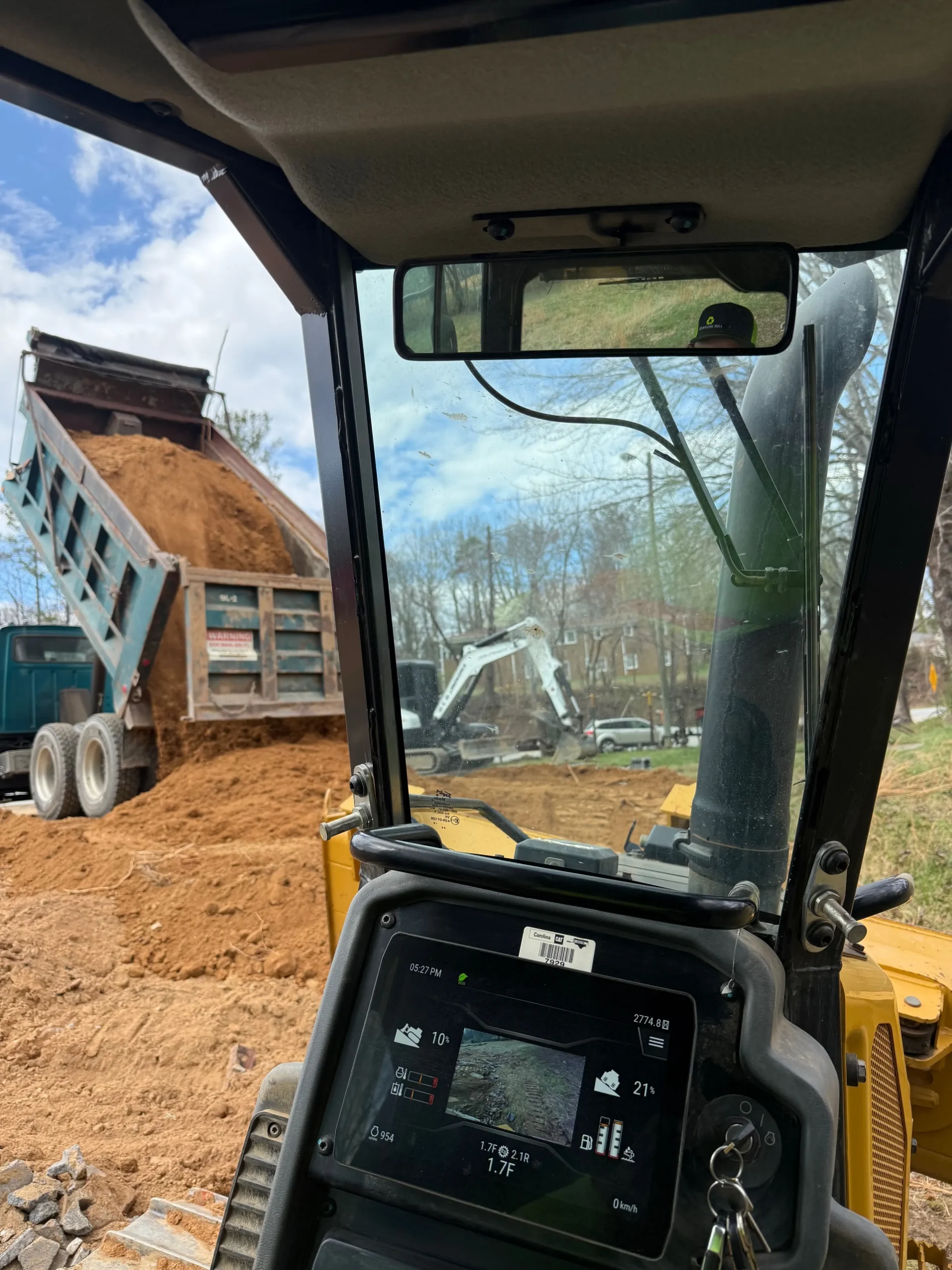
Licensed excavation contractor serving Burke County. Call 828-270-6214 for site work.